
The Subway Series Blueprint: How New York’s Crosstown Rivalry Reshaped Baseball Economics
From the inception of interleague play in 1997 through the 2000 World Series and modern luxury tax arms races, the Yankees-Mets rivalry remains baseball’s premier engine for broadcast rights and franchise valuation.
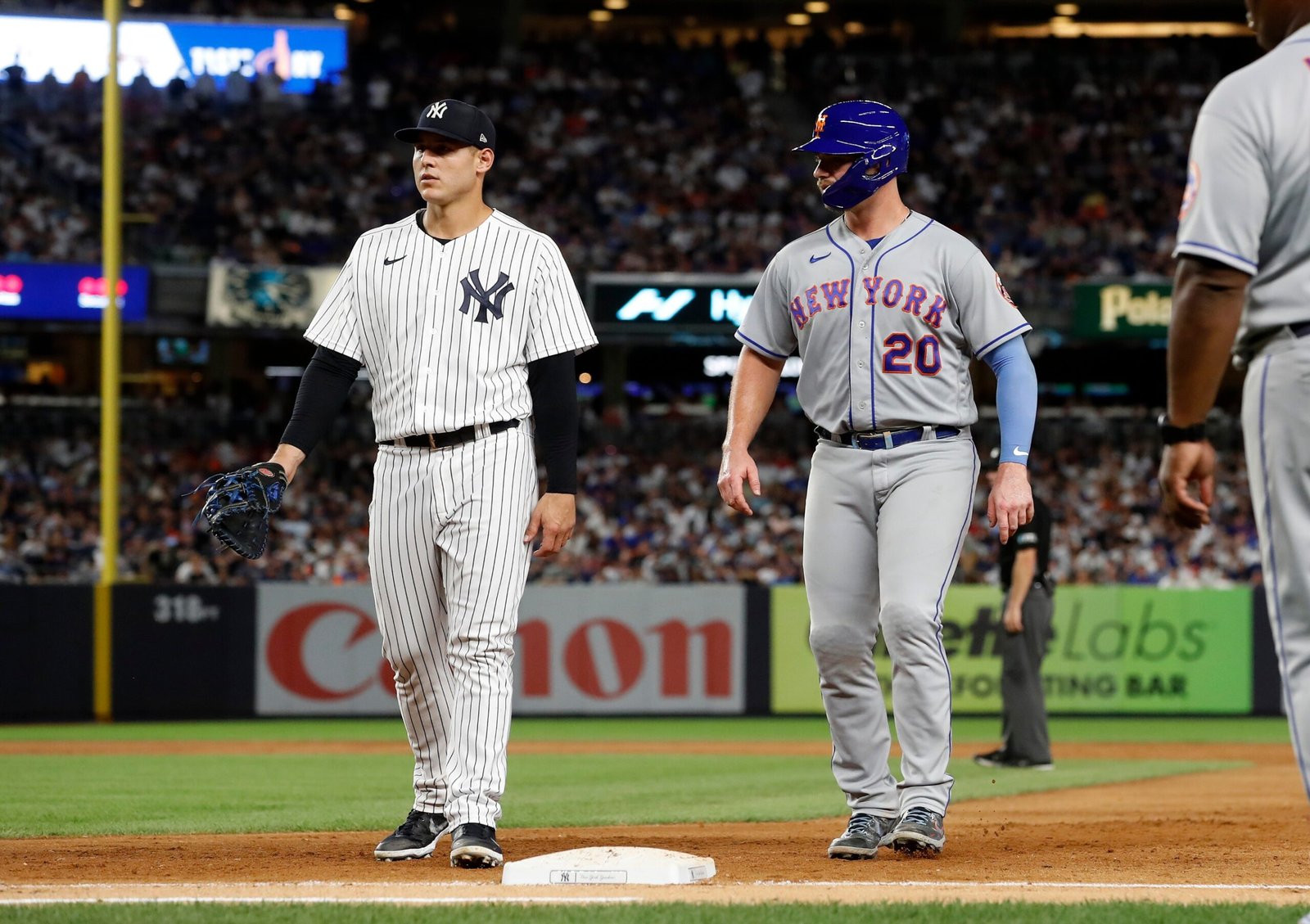
The crosstown rivalry between the New York Yankees and New York Mets represents the highest-concentration media market battle in professional sports enterprise. Originating from the historical lineage of the Brooklyn Dodgers and New York Giants, the modern interleague series officially commenced on June 16, 1997, when the Mets secured a 6-0 shutout at Yankee Stadium. Across nearly three decades of regular-season and postseason collisions, the matchup has evolved from a local novelty into a primary economic driver for Major League Baseball. The structural clash between Bronx tradition and Queens innovation continues to dictate payroll strategy, regional broadcasting yield, and franchise equity expansion.
The 1997 Interleague Catalyst and Media Monetization
Prior to June 1997, interleague competition between the two New York franchises was strictly confined to spring training exhibitions and the annual Mayor’s Trophy Game. Major League Baseball’s decision to institute regular-season interleague play established a high-margin broadcast asset during an era of post-strike financial recovery. Dave Mlicki’s complete-game victory over Andy Pettitte in the inaugural contest drew 56,188 fans to Yankee Stadium, setting single-game attendance records for the 1997 regular season. Corporate sponsors immediately recognized that elevated viewership metrics during crosstown series created unprecedented marketing leverage.
Regional sports networks YES Network and SNY eventually capitalized on this viewership concentration by securing multi-billion dollar carriage agreements. Advertising rate cards for Subway Series broadcasts regularly command premium rates comparable to mid-tier postseason windows. The guaranteed scheduling of multi-game series each summer provides both front offices with dependable ticket office revenue and concession yields. Consequently, interleague scheduling became a foundational pillar in major market sports broadcast planning.
The 2000 World Series Peak and High-Leverage Tension
The commercial and cultural peak of the rivalry arrived during the October 2000 Fall Classic, marking the first all-New York World Series since 1956. Joe Torre’s Yankees entered as a reigning dynasty seeking a third consecutive title, while Bobby Valentine’s Mets brought an aggressive squad backed by Hall of Fame catcher Mike Piazza. High-intensity drama reached international prominence in Game 2 when Roger Clemens threw a splintered bat toward Piazza following a foul ball. The Yankees ultimately prevailed in five games, with Derek Jeter capturing Series Most Valuable Player honors after slashing .409 with two home runs.
Beyond the high-stakes execution on the diamond, all five games were decided by two runs or fewer, highlighting extreme roster parity. Television ratings for the 2000 Fall Classic generated massive national viewership, proving that hyper-local rivalries can command global entertainment audiences. For executive management, the 2000 Fall Classic validated massive payroll allocations required to build World Series caliber rosters in the Big Apple. The series permanently raised the operational bar for roster construction and talent retention across both local front offices.
Steve Cohen, Luxury Tax Thresholds, and Payroll Realignment
The acquisition of the Mets by hedge fund manager Steve Cohen in late 2020 fundamentally altered the economic dynamic of the crosstown rivalry. Historically, the Steinbrenner family operated the Yankees as the dominant financial power in Major League Baseball, outspending local competition by substantial margins. Cohen’s willingness to push payroll beyond third-tier competitive balance tax thresholds forced the Yankees to recalibrate their own payroll structures. This arms race established the luxury tax as an active management variable rather than a passive ceiling.
Both front offices now deploy contrasting approaches to roster construction under high-payroll expectations. The Yankees prioritize long-term core extensions and analytical player development to complement marquee free agents like Aaron Judge. Meanwhile, the Mets combine massive short-term free-agent contracts with aggressive international scouting investments to accelerate competitive timelines. This financial polarization ensures that every Subway Series matchup doubles as an evaluation of modern sports capital allocation.
Cultural Fan-Base Divides and Municipal Brand Equity
The fan-base divide within New York represents a complex socio-economic landscape that splits boroughs, neighborhoods, and corporate suites. Yankee fandom has historically aligned with global brand prestige, championship history, and corporate luxury box revenue. Conversely, Mets fandom carries a blue-collar identity rooted in working-class borough resilience and authentic underdog pride. This cultural friction generates high-energy grandstand atmospheres at both Yankee Stadium and Citi Field during summer series.
For municipal authorities and local businesses, the biannual Subway Series acts as a direct economic stimulus for New York City transit and hospitality sectors. Packed subway trains on the 4, D, and 7 lines transport hundreds of thousands of fans across town, driving local restaurant and retail revenue. The structural synergy between sports entertainment, urban transit infrastructure, and civic identity makes the rivalry unique in North American sports finance. As both clubs navigate modern regular-season slates, the Subway Series remains the gold standard for crosstown sports enterprise.
SOURCES
- Mets-Yankees Rivalry History and Overview, Wikipedia
- 2000 World Series Recap: Yankees vs. Mets, FOX Sports
- First Interleague Subway Series Game on June 16 1997, SABR
- The Ultimate Subway Series History, Inteligencia
PHOTO SOURCE:
Getty Images