
How International Stars Redefined Modern NBA Tactical Playstyles
The global shift from isolation scoring to skill-driven, positionless basketball has transformed five-out spacing, high-post playmaking, and perimeter pace manipulation.
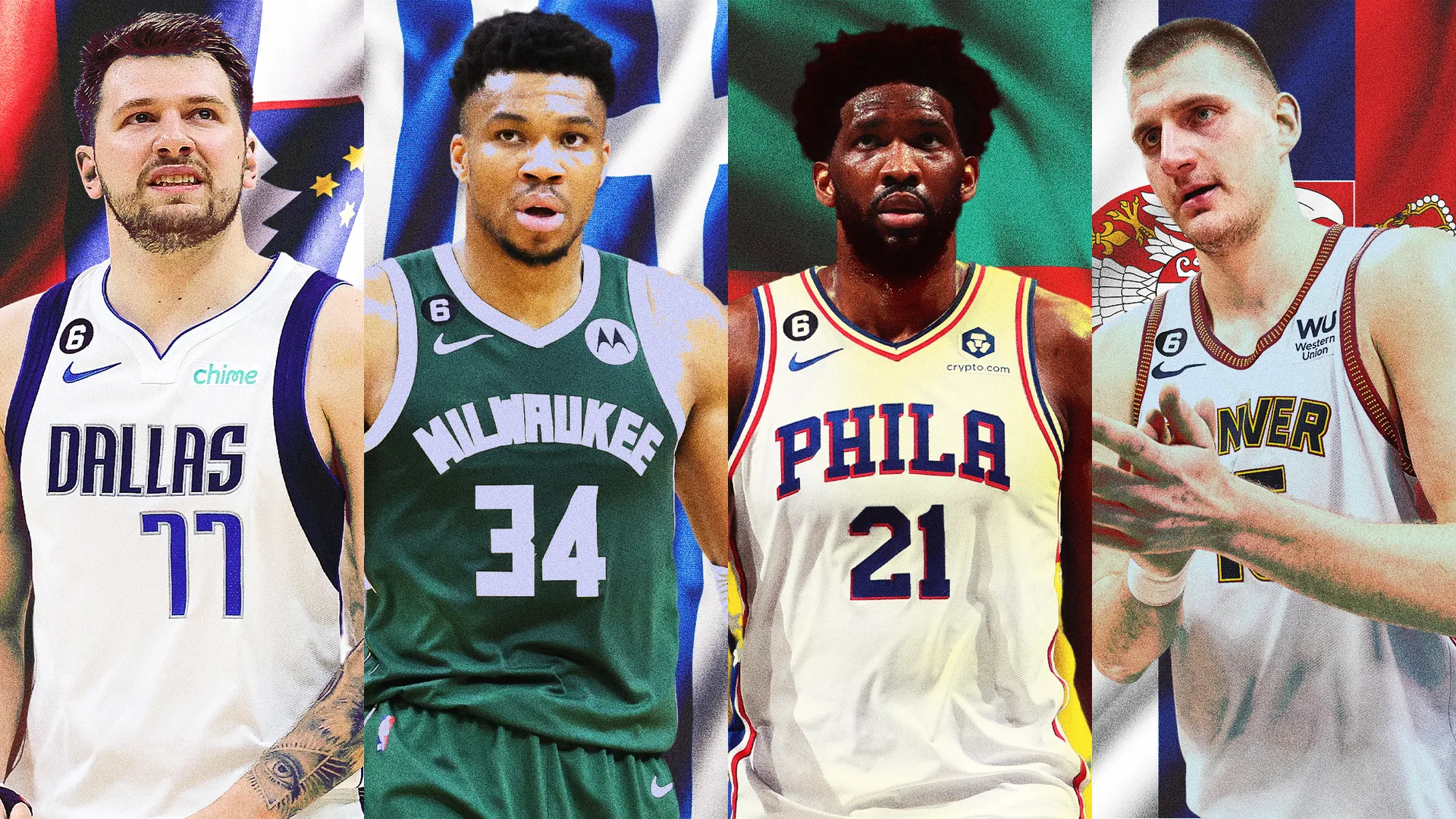
The structural evolution of modern National Basketball Association playstyles represents a fundamental departure from the perimeter isolation and traditional low-post pounding that dominated prior decades. Foreign-born superstars have catalyzed a shift toward dynamic five-out offensive spacing, rapid decision-making cycles, and universal ball-handling expectations. Rather than relying on physical speed or individual one-on-one isolations, international playmakers dissect defensive coverages through footwork, leverage, and advanced court awareness. Analyzing this tactical overhaul reveals how skill-driven, positionless basketball replaced legacy positional roles across all thirty franchises.
Tactical Shift From Isolation Mechanics To Five-Out Spacing
In previous eras, offensive execution relied heavily on physical wings clearing out one side of the floor or heavy centers establishing low-block position. International influence dismantled these rigid frameworks by introducing continuous off-ball movement, secondary cuts, and universal three-point shooting threats. When all five offensive players can shoot, pass, and read defensive rotations, defensive help schemes become mathematically untenable. This expansion of offensive geometry forces opposing coaches to abandon traditional rim-protecting drop coverage in favor of complex switching schemes.
The transition to five-out spacing elevated team offensive efficiency ratings across the league to unprecedented levels. Offenses no longer permit passive non-shooters to clog the paint or slow down transition tempos. Wing players are now expected to execute secondary playmaking reads off closeouts rather than waiting as static spot-up shooters. This fluid offensive philosophy penalizes defensive hesitation, turning minor rotational delays into high-probability corner three-pointers or uncontested rim cuts.
The Point-Center Hub and High-Post Facilitation
Nikola Jokic, Domantas Sabonis, and Alperen Sengun redefined center play by transforming the 7-foot position into the primary playmaking hub. Operating out of the elbow and high post, these big men initiate handoff actions, run inverted pick-and-rolls, and deliver pinpoint passes over perimeter defenders. Rather than relying on guard entry passes to get touches, point-centers orchestrate entire offensive possessions from the top of the key. This reversal of traditional roles forces opposing center defenders to guard forty feet away from the basket, completely emptying the paint.
High-post facilitation eliminates standard double-team geometry that defenses historically used to neutralize dominant post scorers. When a passing center reads a double-team from the high post, court vision and passing angles allow immediate passes to cutting wings. Defenses can no longer collapse into the key without surrendering open perimeter attempts or back-door baseline layups. This playstyle shift transformed center passing from a secondary release valve into the central engine of elite half-court offenses.
Pace Manipulation Deceleration and Inverted Screening
International guards and wings like Luka Doncic, Shai Gilgeous-Alexander, and Giannis Antetokounmpo changed how tempo and physical advantage are applied on the perimeter. Doncic and Gilgeous-Alexander master deceleration, using change-of-pace dribbling, snake dribbles, and footwork to dictate defensive rhythm rather than relying on pure burst. Simultaneously, inverted screening actions where guards screen for ball-handling big men create chaotic matchups for traditional defensive rotations. This combination of tempo control and unusual screening angles keeps defensive units in perpetual recovery mode.
The implementation of the Euro-step, side-step three-pointers, and delayed gather dribbles expanded the legal footwork toolkit for perimeter drivers. Players utilize these footwork techniques to navigate crowded paint areas without picking up offensive fouls. By manipulating defensive momentum, ball-handlers create uncontested touch shots and floater attempts inside the intermediate mid-range area. These technical adaptations made half-court scoring less dependent on raw vertical athleticism and more dependent on spatial manipulation.
Positional Fluidity and the Modern Defensive Counter
The arrival of multi-faceted prodigies like Victor Wembanyama represents the culmination of positionless basketball. Wembanyama combines the rim-protection reach of a traditional center with step-back three-point shooting and off-the-dribble playmaking. Facing players who blend 7-foot size with perimeter guard execution renders standard positional scouting reports obsolete. Defensive coordinators must design game plans for opponents who slide seamlessly between primary ball-handler, floor-spacer, and rim-protector within single possessions.
The international transformation of NBA playstyles has permanently established skill-driven, positionless execution as the league’s dominant tactical paradigm. As European and global grassroots systems continue refining multi-positional fundamentals, traditional position-locked basketball will remain a relic of the past. Teams that embrace fluidity, high-IQ ball movement, and spatial manipulation will continue setting the operational standard for modern basketball supremacy.
SOURCES
- The Evolution of the NBA: A Statistical Analysis of the Growth of NBA Positions, Bruins Sports Analytics
- Basketball Tactical Trends and Modern Analytics Guide, Hoop Mentality
- Nikola Jokic and the Tactical Evolution of Post Play, YouTube / Basketball Breakdowns
- Towards Predicting Basketball Player Positions with Transformative Analytics, MDPI Applied Sciences
PHOTO SOURCE:
Getty Images