
LeBron James Joins Philadelphia 76ers In Historic Cap Realignment
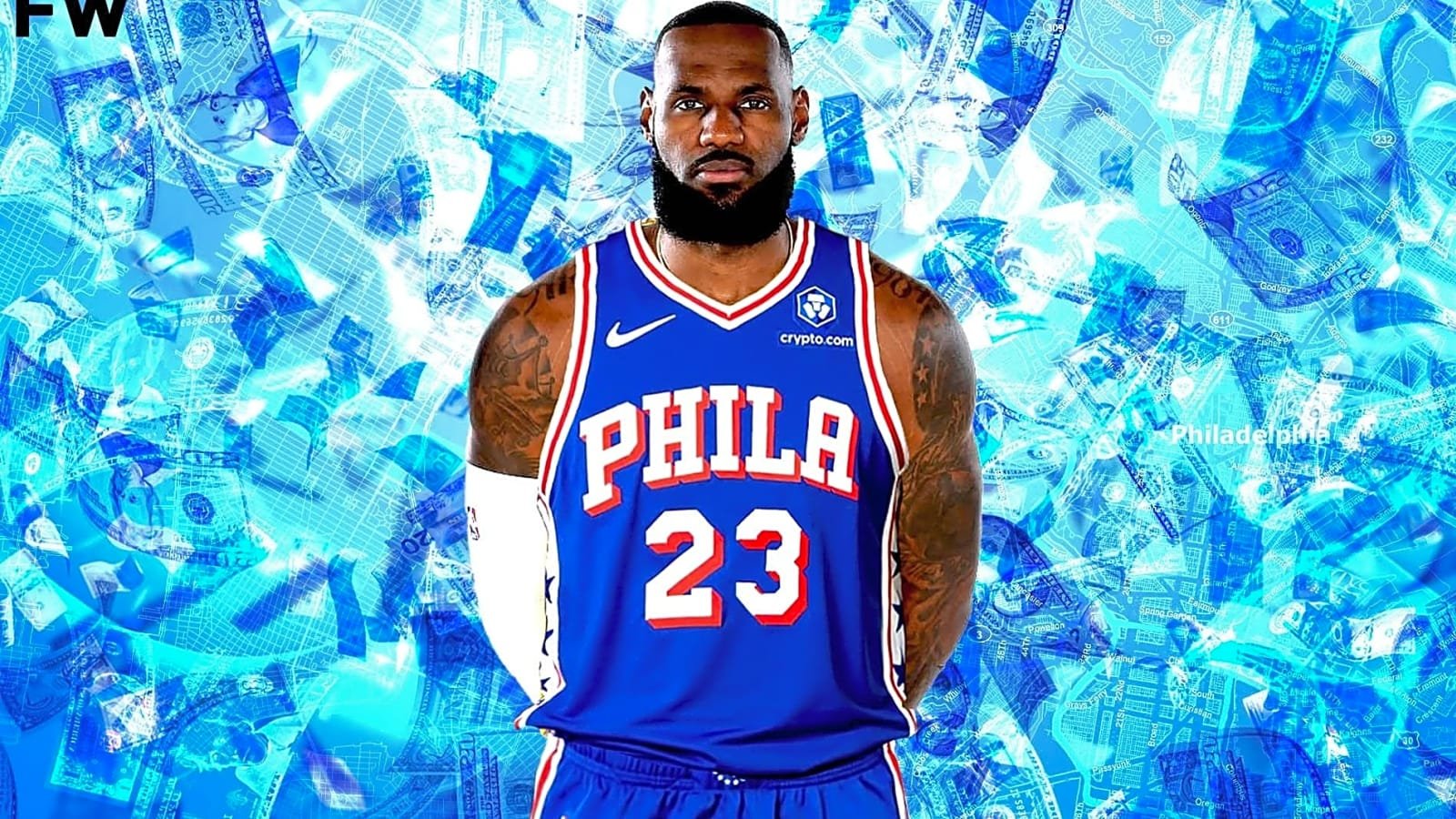
LeBron James has recalibrated Eastern Conference balance-sheet mechanics by signing a two-year, eight-million-dollar contract with the Philadelphia 76ers. The four-time champion bypassed lucrative maximum contract options to accept a strategic veteran role, prioritizing squad depth and cap flexibility. By aligning with a star-studded core featuring Joel Embiid, Tyrese Maxey, and Jaylen Brown, James creates a unique competitive structure for front-office executives. This decision underscores how veteran superstar talent can leverage structural salary relief to assemble high-margin championship rosters without triggering punitive second-apron luxury tax constraints.
Salary Cap Architecture and Second-Apron Tax Mitigation
The financial implications of James accepting a two-year veteran contract provide immediate strategic advantages for the Philadelphia front office. Under current collective bargaining guidelines, teams exceeding second-apron luxury tax thresholds face severe roster-building penalties, including frozen draft assets and restricted trade exceptions. By accepting a modest annual salary, James enables President of Basketball Operations Daryl Morey to preserve team building tools and trade flexibilities. This capital efficiency allows Philadelphia to retain essential depth pieces while staying below prohibitive tax ceilings.
This roster construction strategy challenges conventional executive thinking regarding elite superstar compensation models in modern professional sports finance. Rather than consuming thirty-five percent of salary cap space, James converted his contractual leverage into roster depth and competitive flexibility. The financial relief directly supports squad depth across the perimeter and frontcourt, providing rotational stability over an eighty-two game schedule. Other contender front offices are already analyzing this financial template to assess how legacy stars might structure future contract extensions.
Roster Architecture and High-Volume On-Court Synergy
On the court, integrating a hall-of-fame playmaker alongside Joel Embiid and Tyrese Maxey presents an unprecedented tactical dynamic for the coaching staff. James averaged over twenty points and seven assists last season, proving his capacity to orchestrate elite half-court offensive possessions. His presence reduces ball-handling burdens on Maxey, allowing the dynamic guard to shift into primary scoring slots. Furthermore, high-low passing combinations between James and Embiid create defensive mismatches that force opposing frontlines into complex double-team rotations.
The addition of Jaylen Brown via previous trade acquisition gives Philadelphia an elite wing tandem capable of guarding multiple positions across the perimeter. Front-office analytics departments evaluate this four-man core as one of the most balanced lineups in modern basketball history. With James managing tempo and playmaking, the team can control game pace while minimizing offensive turnovers during high-leverage fourth-quarter possessions. This tactical efficiency mitigates physical wear on Embiid and James throughout the grueling regular season.
Commercial Value Creation and National Broadcast Revenue
The commercial impact of James arriving in Philadelphia was immediate across ticket sales, corporate sponsorships, and national television schedule allocations. League executives frontloaded national broadcast slates, placing the 76ers in high-profile opening night and Christmas Day windows. Primary ticket marketplace pricing for home games at Wells Fargo Center experienced immediate double-digit surges in average resale yield. Local corporate partners and regional broadcast networks are restructuring sponsorship packages to capitalize on heightened global media exposure.
Merchandise licensing and international streaming engagement metrics have surged across Eastern European and North American consumer bases. Corporate brands seeking association with championship contenders are committing new capital to arena naming rights and courtside advertising inventory. Franchise valuation models indicate a substantial increase in enterprise value, driven by sustained ticket yield and international partner acquisition. The arrival of James transforms Philadelphia into a primary commercial hub for global sports marketing.
Executive Leadership and Franchise Legacy Optimization
As James enters his twenty-fourth professional season, his move to South Philadelphia represents a calculated effort to secure a championship across a fourth distinct franchise. Front offices across the league recognize that elite talent acquisition must balance veteran leadership with structural financial discipline. Philadelphia’s executive team successfully created an environment where competitive ambition aligns seamlessly with luxury tax compliance. This strategic alignment positions the 76ers as the primary favorite in a competitive Eastern Conference landscape.
The partnership between James and Philadelphia demonstrates how executive flexibility, strategic contract design, and elite talent acquisition intersect to create enterprise value. Front offices that master cap optimization while surrounding superstar talent with tactical balance will dictate the future of NBA franchise management. Philadelphia has established the modern standard for cap-efficient roster construction in the apron era.
SOURCES
- LeBron James Says He Will Play for Philadelphia 76ers, ABS-CBN Sports, https://www.abs-cbn.com/sports/basketball/2026/7/24/lebron-james-says-he-will-play-for-philadelphia-76ers-2358
- When Is LeBron James’ Philadelphia 76ers Debut?, NBC Sports, https://www.nbcsports.com/nba/news/when-is-lebron-james-philadelphia-76ers-debut-date-tv-stream-info-for-sixers-vs-knicks-opening-night
- NBA Schedule Features Philadelphia 76ers in Primetime Opening Week Slates, The Sixer Sense, https://thesixersense.com/nba-gave-76ers-perfect-first-home-game-after-lebron-james-decision
- NBA Second-Apron Cap Dynamics and Roster Construction Models, ESPN, https://www.espn.com/nba/story/_/id/40512345/nba-free-agency-cap-second-apron-analysis
PHOTO Source
- Imagn Images
- Originally posted on Fadeaway World | By Nico Martinez