
Reds Score Seven In Ninth For Historic San Francisco Comeback
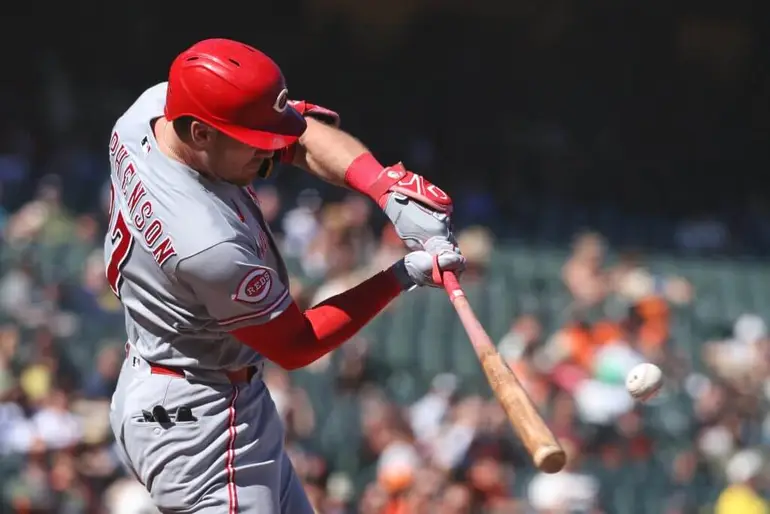
The Cincinnati Reds staged one of the most remarkable late-game rallies in modern franchise history on August 26, 2026, scoring seven runs in the top of the ninth inning to defeat the San Francisco Giants 10-9 at Oracle Park. Trailing 9-3 entering their final turn at the plate, Cincinnati appeared destined for a three-game series sweep after generating minimal offensive output across the first twenty-six innings of the series. The seven-run eruption marked the first time the Reds won when trailing by six runs in the ninth inning since May 8, 1958. For the Giants, the collapse represented the first time in franchise history that the organization surrendered a six-run ninth-inning lead.
Ninth Inning Execution and Bullpen Valuation Collapse
The ninth-inning rally began when rookie outfielder Hector Rodriguez hit a leadoff home run into McCovey Cove, recording his second home run of the game. After Cincinnati loaded the bases against reliever Dylan Smith, veteran infielder Eugenio Suarez delivered a high-impact grand slam over the left-field wall to bring the Reds within 9-8 without an out recorded. Consecutive bunt singles combined with a throwing error and a stolen base quickly placed runners on second and third base. Catcher Jose Trevino tied the game at 9-9 with a sacrifice fly before catcher Tyler Stephenson lined the go-ahead RBI single into center field.
The sudden collapse by the San Francisco bullpen wiped out an efficient starting performance from Giants ace Logan Webb, who allowed just two earned runs over six innings. Reliever Dylan Smith took the loss after failing to record an out during the seven-run surge, dropping his individual season record to 0-5. For Cincinnati, reliever Tony Santillan earned the win despite surrendering a three-run double in the bottom of the eighth inning. Emilio Pagan pitched a scoreless bottom of the ninth to secure his seventeenth save of the season, closing out a dramatic series finale.
Roster Depth Mechanics and Mid-Season Lineup Shuffles
Cincinnati manager Terry Francona adjusted the starting lineup before the series finale, placing rookie Hector Rodriguez in the leadoff spot to revitalize top-of-the-order production. Rodriguez responded with a three-hit performance, including two solo home runs that provided critical offensive spikes for Cincinnati. In addition to Rodriguez, infielder Elly De La Cruz and outfielder Dane Myers each collected three hits to support the middle of the batting order. The total team effort validated front-office roster depth strategies during an otherwise challenging regular season schedule.
San Francisco previously built its 9-3 advantage through two-run home runs from Jonah Cox, Rafael Devers, and Shay Whitcomb. Devers hit his third home run in three days off Reds starter Nick Lodolo, who struggled through four innings while allowing four earned runs on ninety-five pitches. Giants manager Tony Vitello was ejected in the first inning after aggressively arguing a check-swing call in defense of Webb. Despite early power production, the Giants bullpen proved incapable of protecting a six-run cushion in high-leverage situations.
Financial Implications of Late-Season Roster Volatility
Late-season wins deliver significant momentum for front offices managing young rosters and evaluating player arbitration trajectories. For a Cincinnati organization navigating a 63-71 record, high-profile comeback victories reinforce team culture and validate young talent like Rodriguez under commercial pressure. Demonstrating resilience against primary National League opponents helps general managers justify roster investments to ownership groups. Individual player performances in high-leverage late-season games directly influence winter contract arbitration valuations and offseason roster retention choices.
For San Francisco, blowing a 9-3 ninth-inning lead underscores front-office vulnerabilities within middle-relief pitching depth. Modern baseball enterprise requires consistent bullpen execution to convert starting pitcher quality starts into team victories and playoff standings position. Reliever volatility forces front-office executives to re-examine bullpen payroll allocation and scouting metrics ahead of the free-agent market. As both clubs prepare for September roster expansions, bullpen reliability remains a primary focus for front-office analytics departments.
Offseason Arbitration Metrics and Strategic Bullpen Rebuilding
The financial stakes of late-season bullpen breakdowns ripple directly into winter arbitration hearings and free-agent contract negotiations. High-leverage relievers who fail to hold late-inning leads see their market leverage diminished during contract renewal talks. Conversely, clutch hitters who deliver game-winning hits like Stephenson position themselves for substantial compensation increases. Front-office cap managers analyze win probability added metrics from late-game rallies to allocate capital effectively across pitching and position player budgets.
The historic seven-run ninth inning at Oracle Park serves as a vivid case study in late-game variance and roster persistence. Cincinnati transformed a six-run deficit into a memorable 10-9 victory, avoiding a road sweep while setting a new high-water mark for 2026 comeback performances. Front offices across Major League Baseball will evaluate how both organizations adjust their bullpen depth and late-inning management during the final month of regular season play.
SOURCES
- Reds Complete Furious 9th-Inning Rally to Upend Giants, KNBR
- San Francisco Giants Game Wrap: Giants Blow 9-3 Lead, Sports Radio Service
- Reds Deliver Epic Comeback With Seven-Run Ninth Inning, Sports Illustrated
- Suarez’s Grand Slam Highlights Seven-Run Ninth, TSN
SOURCES
- Photo by ImagnImages