
Ice Cube Shifts BIG3 To Ten Million Dollar City Franchise Model
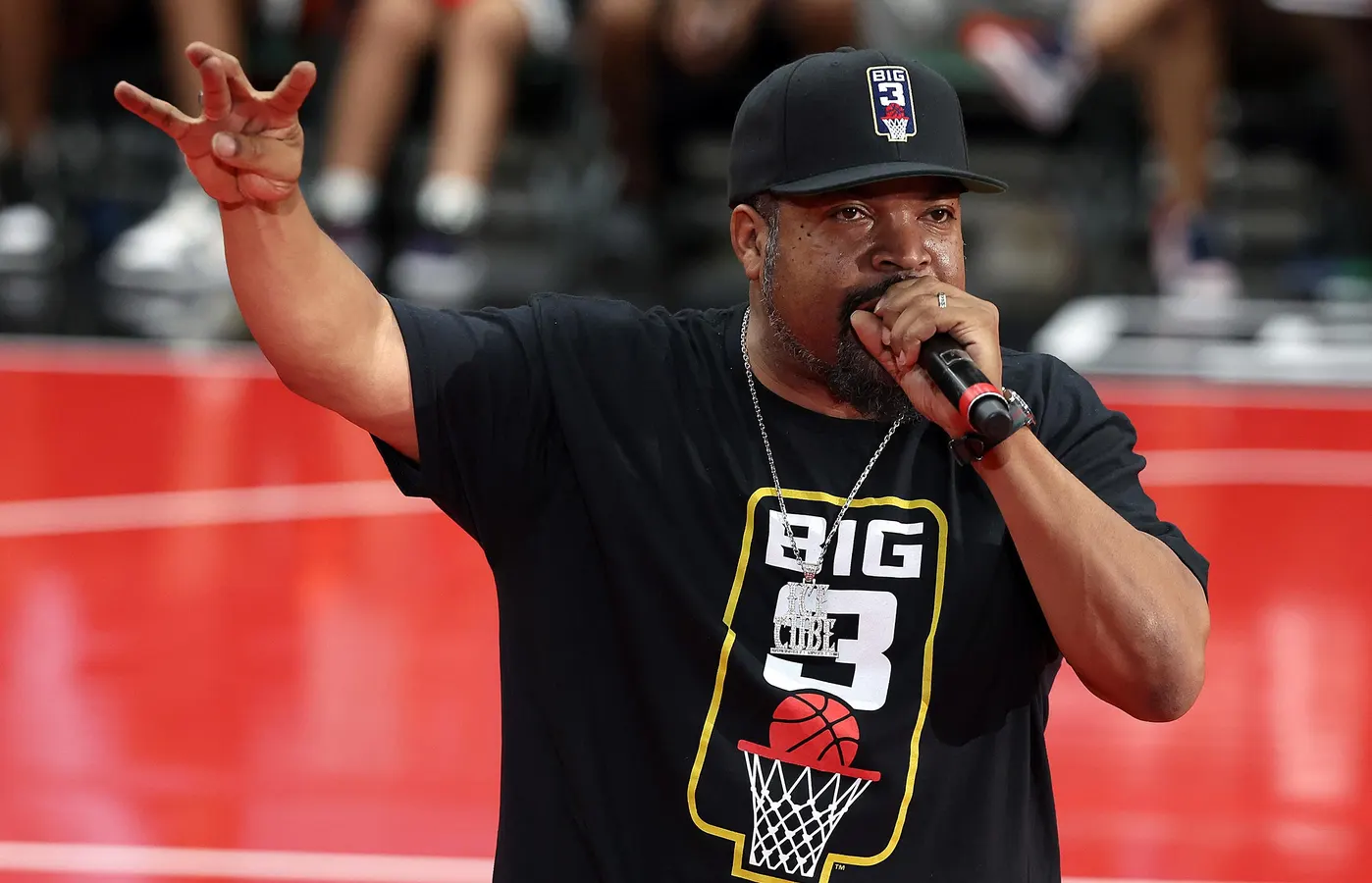
BIG3 co-founder Ice Cube has executed a major financial pivot, shifting the professional 3-on-3 basketball league from a centrally owned touring operation into a city-based franchise model valued at ten million dollars per team. The transition began with the ten million dollar sale of the Los Angeles franchise to a consortium led by DCB Sports, ending seven years of league-managed touring play. Subsequent team rights purchases in Miami, Houston, and Detroit confirm that private equity and institutional investors view localized 3-on-3 basketball as a high-yield growth asset. This structural realignment enables franchises to build permanent regional fan bases while expanding local sponsorship revenue.
Franchise Monetization and Localized Community Equity
Abandoning the barnstorming tournament structure allows individual ownership groups to establish permanent venue leases and localized commercial operations. Under the previous central ownership model, the league absorbed all event logistics, travel overhead, and regional marketing expenses across its twelve-team roster. Transitioning to location-based franchises transfers operational costs to local ownership syndicates while unlocking market-specific corporate sponsorships. Franchise Chief Executive Officers can now negotiate long-term arena agreements, local television syndication, and regional merchandise distribution.
Investor groups led by DCB Sports in Los Angeles and Heath Freeman in Miami are underwriting these ten million dollar entry fees based on multi-platform content monetization. Basing teams in primary media markets increases fan engagement through weekly home-court presence rather than annual single-weekend tour stops. Local corporate partners gain multi-year sponsorship visibility, transforming short-term event promotions into recurring enterprise revenue. Consequently, the city-centric model establishes a sustainable financial framework that mirrors traditional professional sports leagues.
Private Equity Influx and Franchise Valuation Growth
The introduction of nine-figure valuation targets across a twelve-team league reflects growing institutional appetite for alternative sports media properties. Investment groups, family offices, and celebrity syndicates are deploying capital into 3-on-3 basketball to capture younger demographic engagement. Purchasing a BIG3 franchise at a ten million dollar valuation offers entry-level access to professional basketball ownership at a fraction of NBA expansion prices. Investor syndicates view the league’s Fireball3 format as a high-tempo broadcasting product tailored for digital streaming platforms.
Furthermore, strategic expansion plans targeting international markets like Toronto and London demonstrate the global scalability of the franchise model. Operating as localized entities allows teams to participate directly in global licensing deals and international exhibition tours. Early franchise investors benefit from early-stage equity appreciation as subsequent team sales establish higher market pricing floors. This private equity backing provides the capital reserves needed to compete for elite athletic talent and executive front-office personnel.
Broadcast Valuation and Paramount Media Partnership
The transition to city-based teams aligns directly with broadcast network demands for consistent regional viewership metrics and localized fan loyalty. Ratings data from CBS and Paramount+ show that summer weekend broadcasts regularly attract over five hundred thousand viewers per event. Localizing franchises provides network programmers with geographic storylines and regional rivalries that drive higher advertising rates. Corporate sponsors purchasing broadcast commercial inventory can target specific metropolitan demographics with greater precision.
Higher broadcast ratings directly bolster league-wide revenue-sharing pools distributed among franchise owners. By securing guaranteed national television windows alongside localized direct-to-consumer streaming options, the BIG3 enhances its long-term media rights valuation. Network executives value live sports programming that delivers consistent summer audience engagement when major legacy leagues are in off-season hiatus. This media stability underwrites the financial viability of individual ten million dollar franchise investments.
Roster Architecture and Former NBA Player Attraction
Establishing permanent home markets transforms how general managers construct team rosters and recruit veteran talent. Players like Jeff Teague, Leandro Barbosa, and Montrezl Harrell bring established NBA credibility to city-branded rosters, enhancing local market ticket sales. Franchise front offices can now build multi-year roster stability, replacing temporary draft pools with dedicated player contracts. Dedicated local training facilities and specialized sports medicine infrastructure further elevate player performance standards.
The evolution of the BIG3 from a touring concept into a ten million dollar city-based franchise league demonstrates the commercial viability of modern sports entrepreneurship. Ice Cube and co-founder Jeff Kwatinetz have successfully converted grassroots basketball passion into an institutional sports asset class. Front offices and private equity partners that build deep community roots will drive the next phase of professional 3-on-3 basketball economics.
SOURCES
- BIG3 Sells Its First Team In $10 Million Deal, BIG3,
- Big3 Sells LA Franchise for US$10m in First Team Deal, SportsPro
- Ice Cube Sells First Big3 Team To Private Ownership For $10M, The Shadow League
- How Ice Cube’s Big3 Basketball League Sold Its First Team in $10 Million Deal, Face2Face Africa
SOURCES
- Photo by Getty Images