
Lane Kiffin Defends LSU Recruitment Of Former NFL Players
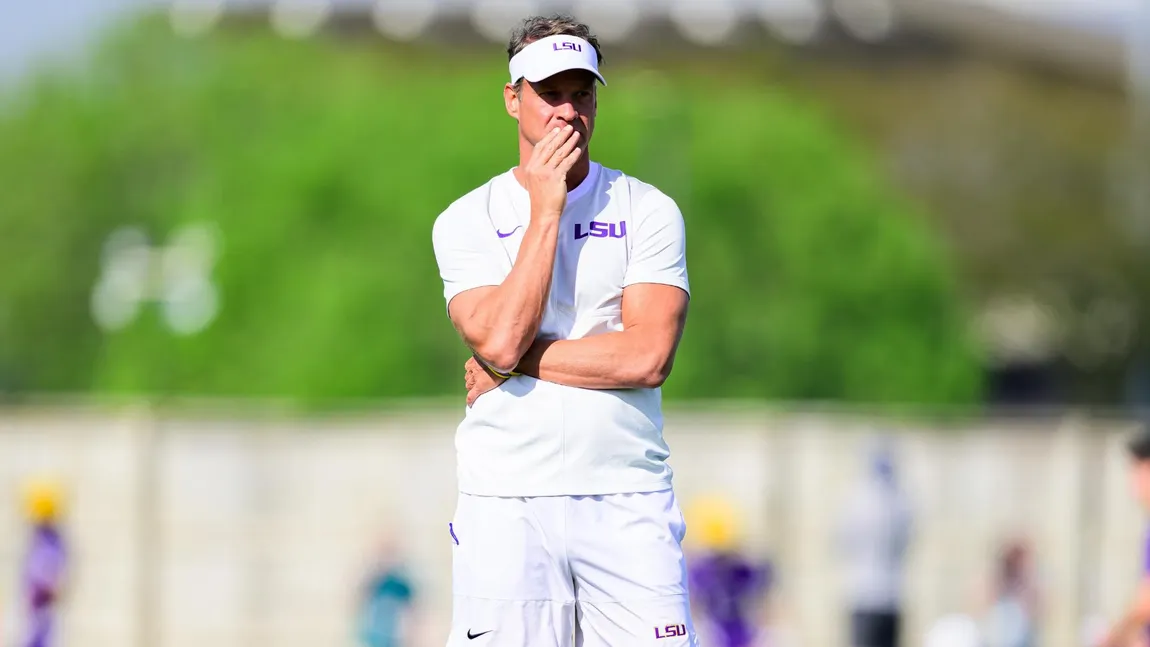
LSU head coach Lane Kiffin defended the program’s decision to recruit former Cleveland Browns tight end Dae’Quan Wright following a landmark Louisiana state court injunction. A Baton Rouge judge issued a temporary restraining order granting a fifth collegiate season to sixteen athletes from the high school graduating class of 2022. The legal ruling determined that the NCAA improperly excluded 2022 recruits from updated five-year eligibility frameworks, prompting the court to order a temporary seven-day transfer portal window. Agent Drew Rosenhaus confirmed that Wright intends to join No. 11 ranked LSU after clearing NFL waivers, establishing a precedent for professional athletes returning to college rosters.
Judicial Injunctions and Transfer Portal Window Reopening
The Louisiana court ruling stems from a lawsuit filed by sixteen football players challenging NCAA eligibility exclusions for the 2022 entering class. Plaintiffs including Wright, former Tampa Bay Buccaneers linebacker Jack Pyburn, and former New Orleans Saints defensive tackle Zxavian Harris argued that the NCAA failed to provide timely notice of updated eligibility structures. The court order mandated a temporary reopening of the transfer portal, enabling professional rookies to forfeit NFL contracts and reclaim collegiate eligibility. To meet NCAA compliance criteria under the injunction, athletes must formally terminate active professional contracts and repay any received professional signing bonuses.
Wright went undrafted in the 2026 NFL Draft before signing with the Philadelphia Eagles and later joining the Cleveland Browns practice unit. Before entering the professional ranks, Wright played two seasons at Virginia Tech before transferring to Ole Miss, where he accumulated 39 receptions for 635 yards and five touchdowns in 2025. His potential arrival at LSU represents the first documented case of an NFL preseason athlete returning to active college football competition. Kiffin emphasized that judicial mandates rendered these athletes immediately available, forcing college front offices to recruit them or risk facing them on opponent rosters.
Southeastern Conference Governance and Intraconference Transfer Rules
The prospect of former NFL players re-entering college football has generated significant pushback from Southeastern Conference leadership. SEC Commissioner Greg Sankey issued formal administrative guidance warning member institutions against roster additions that violate conference transfer regulations. SEC bylaws strictly prohibit intraconference transfers outside the standard winter portal window following championship competition. Because Wright competed for Ole Miss during the 2025 season, transferring directly to LSU creates a direct conflict between state judicial injunctions and conference governance rules.
In a formal statement, the Southeastern Conference expressed firm opposition to professional athletes returning to collegiate competition. Conference executives argued that allowing contract-holding professionals back into college football undermines competitive equity and reduces scholarship access for traditional student-athletes. Kiffin declined to detail specific legal mechanisms regarding SEC transfer exemptions, noting instead that judicial rulings supersede standard collegiate administrative frameworks. The situation leaves SEC legal counsel evaluating whether state court injunctions invalidate internal conference roster restrictions.
NIL Valuation and Roster Capital Allocation in Baton Rouge
Integrating former NFL talent into collegiate roster structures introduces complex financial dynamics for athletic department collectives and NIL administrators. Athletes returning from professional organizations bring verified NFL training camp experience, commanding top-tier valuation within revenue-sharing frameworks. LSU’s collective managers must balance NIL capital allocation between high school signees, standard transfer portal additions, and returning professional athletes. Securing Wright’s services requires restructuring existing roster budget allocations weeks before regular season competition commences.
Furthermore, the injunction forces college front offices to maintain contingency capital reserves for unexpected legal portal openings. Traditional recruiting calendars operate on fixed winter and spring windows, but judicial interventions create volatile mid-August player movement. Head coaches and general managers must now monitor NFL waiver wires alongside college transfer portals to identify immediate talent upgrades. This convergence of professional roster cuts and college eligibility expansion accelerates the professionalization of collegiate football front offices.
The legal battle surrounding Wright and his co-plaintiffs signals a broader restructuring of athlete mobility across the collegiate sports ecosystem. Judicial enforcement of athlete eligibility rights continues to dismantle traditional NCAA administrative restrictions. Programs that adapt quickly to legal injunctions gain immediate competitive advantages on the field. The resolution of SEC transfer challenges regarding Wright will establish the operational benchmark for future professional-to-college player movement.
SOURCES
- Lane Kiffin Defends Recruiting Browns TE Dae’Quan Wright Following Court Injunction, FOX Sports
- Lane Kiffin Defends Decision to Recruit Dae’Quan Wright to LSU in Light of Judge’s Ruling, On3,
- After a Stop in The NFL, Dae’Quan Wright Could Be Heading Back to LSU Thanks to Court Order, AP News / The Intelligencer
- Lane Kiffin Backs Dae’Quan Wright Amid Court Ruling for Eligibility, BVM Sports,
PHOTO SOURCE
- Photo by Secsports