
Cathy Engelbert Retires After Transforming WNBA Corporate Equity
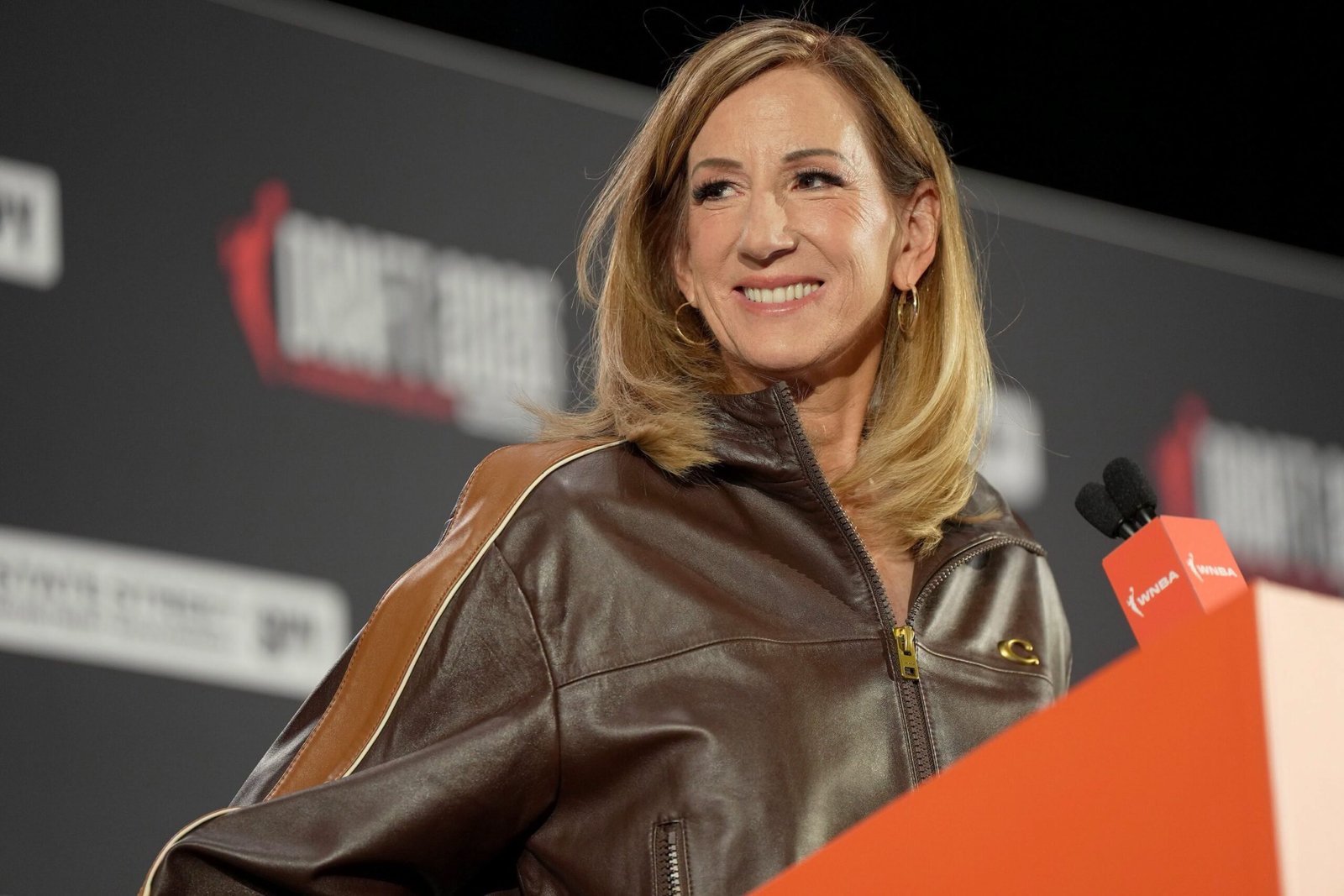
On Friday, September 4, 2026, the Women’s National Basketball Association announced that Commissioner Cathy Engelbert will retire effective December 31, concluding a transformative seven-year tenure as the league’s first-ever commissioner. Appointed in 2019 following a corporate career as CEO of Deloitte, Engelbert shifted the economic narrative of women’s professional basketball from a subsidized athletic property into a high-growth sports media enterprise. Her departure marks the end of an era defined by explosive franchise valuation growth, a historic $3.1 billion media rights package, and widespread league expansion, balanced against friction over player labor relations and league governance.
When Engelbert assumed office in May 2019, average WNBA team valuations hovered around $10 million, with franchise operations frequently characterized by limited operational capital and constrained broadcast distribution. Over her seven years at the helm, Engelbert applied corporate balance sheet discipline and private equity mechanics to reposition the league’s commercial value proposition. Today, average team valuations have reached $460 million, anchored by landmark expansion franchises like the Golden State Valkyries, which commanded an unprecedented $850 million valuation.
Navigating sports enterprise capital requires balancing institutional revenue generation with athlete labor agency. Engelbert’s tenure proved that long-standing assumptions regarding the commercial viability of women’s sports were entirely outdated. However, as the league transitions into its next decade of enterprise growth, the incoming commissioner inherits a complex operational landscape defined by rising player union leverage, accelerated media expectations, and the need for deeper cultural alignment between league executives and athletes.
Reflecting on her decision, Engelbert noted that she originally intended to serve three to four years, eyeing a planned retirement age of 62. Having extended her mandate through crucial collective bargaining rounds and media rights negotiations, she departs at a moment when the WNBA’s financial foundation has never been more secure. Her exit initiates a pivotal executive search that will dictate how the league handles its next phase of global expansion.
The Financial Architecture of the Engelbert Growth Era
Under Engelbert’s leadership, the WNBA executed a series of financial and operational milestones that permanently altered the economics of professional women’s sports. Her corporate playbook focused on scaling institutional capital, expanding distribution, and upgrading player infrastructure across five key operational pillars:
- Landmark $3.1 Billion Media Rights Deal: Negotiated an 11-year, $3.1 billion media rights package with Disney, Amazon Prime Video, and NBC Sports, increasing annual rights distribution revenue to $281 million while securing over 200 nationally broadcast games per season.
- Record $75 Million Capital Raise: Directed a historic $75 million equity round in 2022, marking the largest capital raise in women’s sports history to fund digital product infrastructure, fan engagement platforms, and global distribution.
- Aggressive Franchise Expansion Blueprint: Expanded the league footprint from 12 to 18 franchises by 2030, securing expansion teams in Golden State, Toronto, Portland, Cleveland, Detroit, and Philadelphia.
- Full Charter Travel and Player Infrastructure: Implemented a league-wide full charter flight program during the 2024 season, establishing a permanent operational baseline for player safety and scheduling efficiency.
- Transformative Collective Bargaining Agreement: Reached a groundbreaking CBA with the WNBPA that incorporated revenue-sharing models, dramatic baseline player salary increases, and expanded family planning benefits.
Managing Cultural Shift and Player Labor Relations
While Engelbert’s quantitative track record delivered unprecedented financial returns for team owners, her tenure was equally defined by contentious labor discussions and public disagreements with player leadership. WNBA athletes, represented by WNBPA President Nneka Ogwumike and Executive Director Terri Carmichael Jackson, consistently pushed the league office for faster operational upgrades, higher revenue share allocations, and stronger public advocacy.
Critics within the player body frequently characterized Engelbert’s management style as overly transactional, pointing to delayed communication during key crisis moments, player safety concerns, and contentious CBA negotiations. Several veteran players expressed frustration with the league office’s handling of player safety protocols and officiating standards amid rising media scrutiny. These friction points highlighted the contrast between traditional corporate executive leadership and the progressive, athlete-driven culture of the WNBA.
Despite these tensions, the union recognized Engelbert’s fundamental contribution to elevating the league’s commercial footing. WNBPA leadership noted that while negotiations were frequently intense, the structural foundation left behind provides players with unprecedented economic leverage and career security. The dynamic illustrated that commercial growth in sports entertainment requires continuous alignment between executive management and on-court talent.
The tension also underscored a broader paradigm shift in sports labor: modern athletes no longer measure league success purely by top-line revenue or franchise valuations. Instead, player leadership demands transparent communication, cultural accountability, and direct partnership in governance. Reconciling high-growth corporate strategy with player advocacy remains the primary challenge for future sports executives.
Succession Strategy and the Next Frontier for WNBA Enterprise
With Engelbert remaining in her post through December 31 to guide the transition, NBA Commissioner Adam Silver and the WNBA Board of Governors have initiated a comprehensive search process covering internal and external candidates. Engelbert confirmed that she has prepared structured internal and external candidate profiles to ensure a seamless leadership transition.
The next commissioner will inherit a multi-billion-dollar sports property that requires both corporate financial expertise and deep cultural fluency. Prominent candidates under discussion within sports management circles include Bethany Donaphin, Head of WNBA League Operations and former New York Liberty player, who is widely respected by players as a vital bridge between the league office and locker rooms. Other prospective contenders include retiring WNBPA President Nneka Ogwumike, NBA Deputy Commissioner Mark Tatum, and WNBPA Executive Director Terri Carmichael Jackson.
The incoming leader must execute the expansion rollout to 18 teams, manage the integration of new broadcast partners, and maintain labor harmony under the revenue-sharing frameworks established in recent collective bargaining agreements. As Cathy Engelbert completes her seven-year tenure, her legacy stands as a definitive case study in sports business: she successfully unlocked institutional valuation, proving that women’s professional sports represent one of the most profitable frontier asset classes in global entertainment.
SOURCES
- WNBA Commissioner Cathy Engelbert to Retire at End of 2026, WNBA Official Release
- Cathy Engelbert to Retire as WNBA Commissioner at End of 2026, Winsidr
- Cathy Engelbert’s WNBA Tenure: The Wins and Losses That Defined Her Seven Years, The Guardian
- Who Could Replace WNBA Commissioner Cathy Engelbert?, NBC Sports
PHOTO SOURCE:
Michael Owens; Ezra Shaw / Getty Images