
Russell Westbrook Retires Ending Historic Triple Double Era
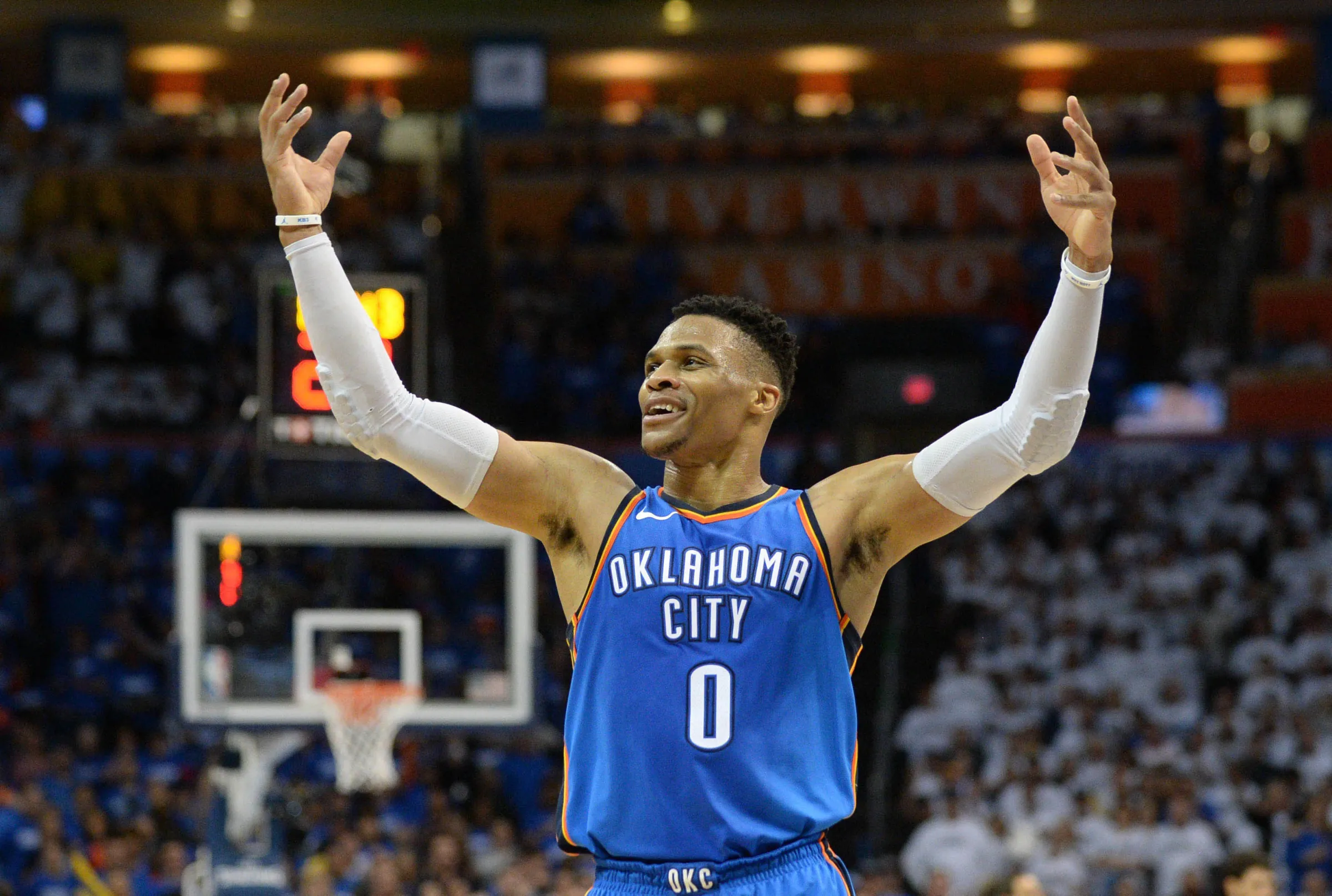
Russell Westbrook officially announced his retirement from professional basketball on August 12, 2026, closing an extraordinary eighteen-season NBA career. The thirty-seven-year-old point guard released a farewell video narrated by actor Michael B. Jordan, ending months of free agency speculation following his 2025 campaign with the Sacramento Kings. Retiring as the league’s all-time triple-double leader with 209, Westbrook leaves an indelible mark on franchise management, roster building, and high-usage athletic performance. His departure concludes a Hall of Fame career that redefined backcourt statistical production across seven distinct organizations.
Statistical Dominance and the Historical Triple Double Record
Westbrook’s defining career achievement remains his unprecedented triple-double production, breaking Oscar Robertson’s long-standing record by accumulating 209 triple-doubles during his 1,301 regular-season games. During his historic 2017 Most Valuable Player campaign with the Oklahoma City Thunder, Westbrook averaged 31.6 points, 10.7 rebounds, and 10.4 assists while recording 42 triple-doubles in a single season. He repeated that season-long statistical feat in four separate campaigns, three with Oklahoma City and one with the Washington Wizards. That level of high-usage statistical output established a new benchmark for individual player efficiency and physical stamina.
Over his eighteen years, Westbrook accumulated 27,176 points, 10,351 assists, and 8,970 rebounds, ranking fourteenth in all-time scoring and fifth in all-time assists. Alongside LeBron James and Oscar Robertson, he stands as one of only three players in NBA history to surpass 25,000 points, 7,000 rebounds, and 7,000 assists. Westbrook earned nine All-Star selections, nine All-NBA team honors, two scoring titles, and three assist titles while winning consecutive All-Star Game MVP awards in 2015 and 2016. These career totals validate the immense capital investments franchises committed to secure his high-velocity production.
Oklahoma City Franchise Building and Corporate Legacy
Drafted fourth overall by the Seattle SuperSonics in 2008 before the franchise relocated, Westbrook served as the foundational pillar for the Oklahoma City Thunder for eleven seasons. Alongside Kevin Durant and James Harden, Westbrook anchored the Thunder squad that reached the 2012 NBA Finals against the Miami Heat. Following Durant’s free-agent exit in 2016, Westbrook’s decision to sign a multi-year extension stabilized the franchise balance sheet and preserved local media market equity. His fierce competitive identity and community investments earned him keys to the city and long-term organizational devotion.
Oklahoma City General Manager Sam Presti issued a formal statement honoring Westbrook’s legacy, praising his unbridled fearlessness and internal belief that established the franchise identity from day one. Presti noted that Westbrook built a Hall of Fame career by demonstrating the transformative power of asking one simple question, Why Not. Westbrook’s willingness to anchor a small-market organization through turbulent free-agent cycles provided essential structural stability. His legacy in Oklahoma City remains the gold standard for player loyalty and franchise asset preservation.
Roster Architecture Across Seven Professional Franchises
Following his legendary tenure in Oklahoma City, Westbrook transitioned through six additional franchises over his final seven seasons, demonstrating the evolving dynamics of late-career veteran contracts. He logged high-usage seasons with the Houston Rockets, Washington Wizards, Los Angeles Lakers, LA Clippers, Denver Nuggets, and Sacramento Kings. During his final season in Sacramento, Westbrook averaged 15.2 points, 6.7 assists, 5.4 rebounds, and 1.3 steals across sixty-four games while providing veteran leadership. His adaptability allowed front offices to integrate his physical playmaking into diverse tactical schemes.
Front-office analytics departments routinely studied Westbrook’s impact on pace of play, offensive transition metrics, and defensive rebound distribution. While high turnover rates occasionally invited executive scrutiny, his ability to generate immediate interior pressure consistently disrupted opposing defensive alignments. General managers valued his durability, as Westbrook routinely played full eighty-two game schedules despite absorbing heavy physical contact. His career proves that elite athletic intensity can sustain top-tier productivity well into a player’s late thirties.
Economic Impact and Post-Career Asset Transition
Westbrook’s financial footprint extends far beyond his multi-hundred-million-dollar career contract earnings and lucrative endorsement portfolios. As a cultural icon, his individual brand equity drove major footwear sales with Jordan Brand, featuring signature sneaker lines that captured global urban markets. His philanthropic ventures, including the Why Not Foundation, invested millions into community literacy programs and urban infrastructure developments across Los Angeles and Oklahoma City. These business commitments ensure his transition into private equity and commercial real estate will yield lasting economic returns.
The retirement of Russell Westbrook closes a distinct era of high-velocity, high-usage point guard dominance in modern basketball enterprise. Front offices, talent scouts, and executive cap managers will continue evaluating future backcourt prospects against the statistical standards Westbrook established over eighteen seasons. His relentless competitive drive and record-setting achievements secure his immediate placement in the Naismith Memorial Basketball Hall of Fame as an undisputed icon of professional sports finance.
SOURCES
- Russell Westbrook Announces NBA Retirement After 18 Seasons, Al Jazeera
- NBA’s Triple-Double King Russell Westbrook Springs Shock Retirement, FOX Sports Australia
- Sam Presti Issues Statement on Russell Westbrook Retiring, Sports Illustrated
- Russell Westbrook Announces Retirement, Hoops Rumors
SOURCES
- Photo by Mark D. Smith-USA TODAY Sports