
Randal Grichuk Resurgence Exposes New York Yankees Roster Miscalculation
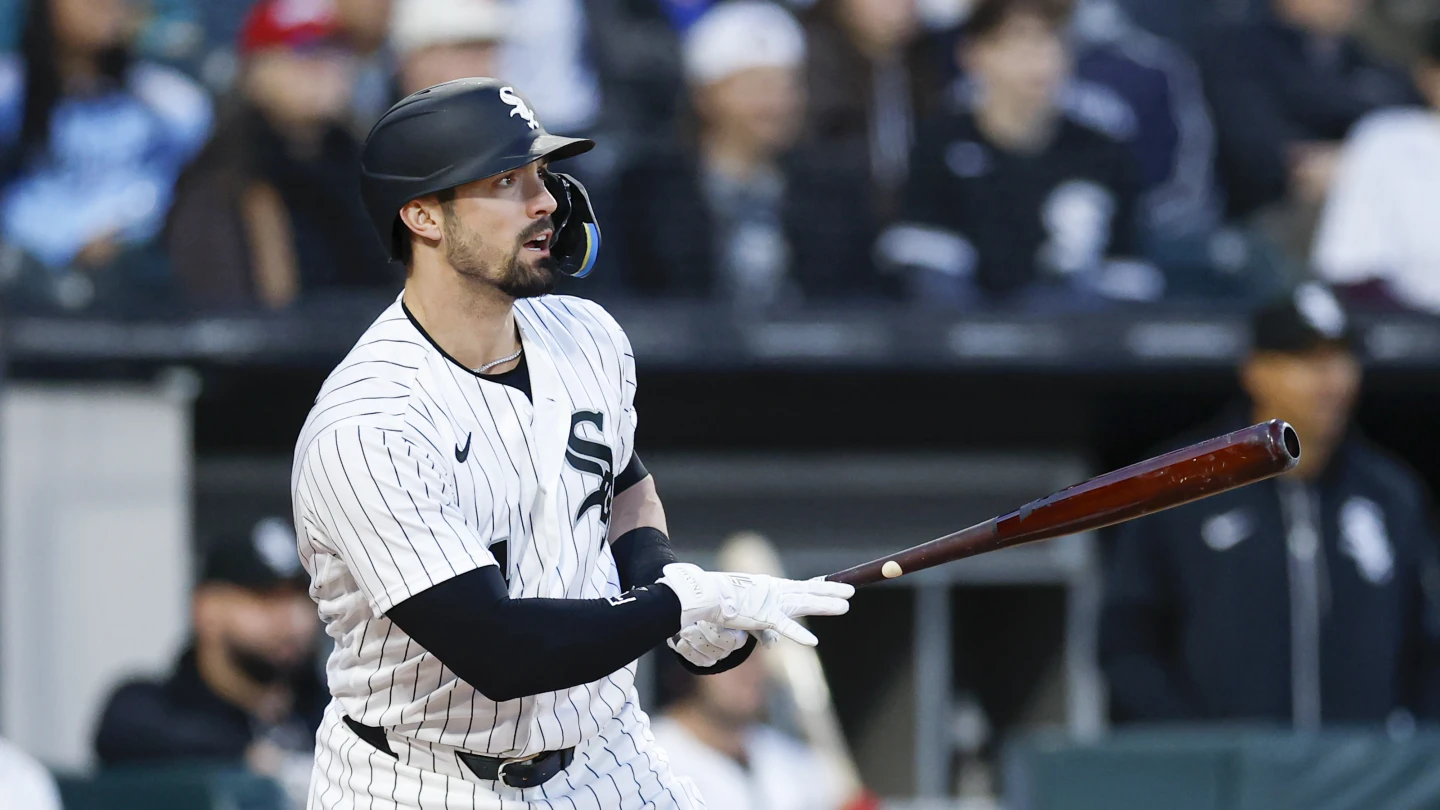
When the New York Yankees designated Randal Grichuk for assignment after just thirty-three spring plate appearances, front-office evaluators assumed the veteran outfielder lacked standard major-league viability. Four months later, that decision stands as one of the most visible market miscalculations of the current Major League Baseball season. After signing with the Chicago White Sox on a low-risk waiver claim, Grichuk has delivered elite offensive efficiency across seventy-one games. His performance highlights the structural risks associated with short-sample evaluation methods in high-pressure major-market front offices.
Short Sample Valuation and Front Office Roster Prematurity
Major league front offices increasingly rely on modern predictive metrics to make rapid roster decisions during spring training and early regular season schedules. However, discarding proven veteran depth based on fewer than forty plate appearances often exposes teams to severe depth deficits later in the season. The Yankees prioritized short-term roster flexibility over established power metrics, opting to release Grichuk rather than absorbing temporary operational friction. Chicago White Sox decision-makers capitalized on this market inefficiency, absorbing his contract at minimal cost to fortify their outfield rotation.
The financial disparity between Grichuk’s modest waiver salary and his current offensive output represents exceptional surplus value for the White Sox balance sheet. Posting a slugging percentage near six hundred alongside twenty-six extra-base hits, Grichuk has outproduced several starting outfielders across the American League. Front offices operating in smaller commercial markets routinely target these misvalued assets to remain competitive without expanding overall payroll commitments. Chicago’s willingness to grant extended rotational at-bats allowed Grichuk to recalibrate his mechanical swing mechanics.
Comparative Production Metrics Across American League Outfields
Evaluating Grichuk’s resurgence through weighted runs created plus metrics demonstrates the extent of New York’s talent evaluation error. His current offensive efficiency rating exceeds one hundred forty-nine, placing him among the most productive mid-season roster acquisitions in recent memory. By contrast, the Yankees have struggled to find consistent offensive output from their secondary outfield options and bench units during summer injury stretches. This contrast underscores how misjudging player variance can undermine overall roster depth during long championship pursuits.
During his four-year tenure with the Toronto Blue Jays, Grichuk established a reputation as a reliable power hitter capable of anchoring middle-order lineups through long seasons. While high strikeout rates and low walk percentages remained persistent flags on analytical profile reports, his raw bat speed generated consistent extra-base power. The White Sox coaching staff leaned into these primary strengths rather than attempting to rebuild his plate discipline profile entirely. This targeted development approach maximized his natural slugging power while providing immediate middle-of-the-order production.
Waiver Wire Arbitrage and Small-Market Surplus Value
The mechanics of waiver wire acquisitions allow opportunistic front offices to extract maximum enterprise value from large-market roster moves. When wealthy franchises release veteran role players to clear 40-man roster spots, low-payroll operations gain immediate access to experienced talent. Chicago integrated Grichuk directly into high-leverage designated hitter and corner outfield roles, allowing him to establish daily operational rhythm. The resulting offensive surge has accelerated Chicago’s timeline in the American League Central race far sooner than external analysts projected.
This dynamic illustrates how tactical roster patience can generate significant competitive advantages against financial juggernauts. While high-payroll teams often treat lower-tier roster spots as disposable, mid-tier organizations must optimize every roster spot to maintain competitive balance. Grichuk’s performance serves as a stark reminder that physical tools often survive temporary statistical slumps. Front offices that balance predictive analytical models with patient player evaluation consistently capture higher returns on veteran talent investment.
Long-Term Roster Construction Lessons for MLB Executives
The saga between the Yankees, White Sox, and Grichuk provides valuable case-study material for modern baseball operations departments. Roster architecture requires a delicate balance between cutting underperforming assets and preserving functional depth over a hundred and sixty-two game marathon. Cutting experienced outfielders based on small sample sizes creates unnecessary depth vulnerabilities when primary stars experience inevitable physical fatigue. Executives across Major League Baseball will undoubtedly analyze this transaction during upcoming offseason organizational reviews.
As the White Sox continue their surprising push, Grichuk’s resurgence stands as a testament to organizational fit and athletic perseverance. Opportunistic front offices that embrace calculated risk will continue exploiting the analytical blind spots of impatient market competitors. Chicago managed to turn a rival organization’s roster hastiness into a high-margin competitive asset that continues to yield dividends. The lessons learned from Grichuk’s summer breakout will influence front-office waiver strategy for seasons to come.
SOURCES
- Longtime Blue Jays Outfielder Making Yankees Pay for Their Lack of Faith, Jays Journal
- Randal Grichuk Career Statistics and Game Logs, Baseball-Reference
- Chicago White Sox Roster Movements and Transaction Log, MLB.com
- Modern Front-Office Valuation and Waiver Wire Mechanics, FanGraphs
PHOTO Source
- Kamil Krzaczynski/Kamil Krzaczynski-Imagn Images | NBC Sports
